- Get link
- X
- Other Apps
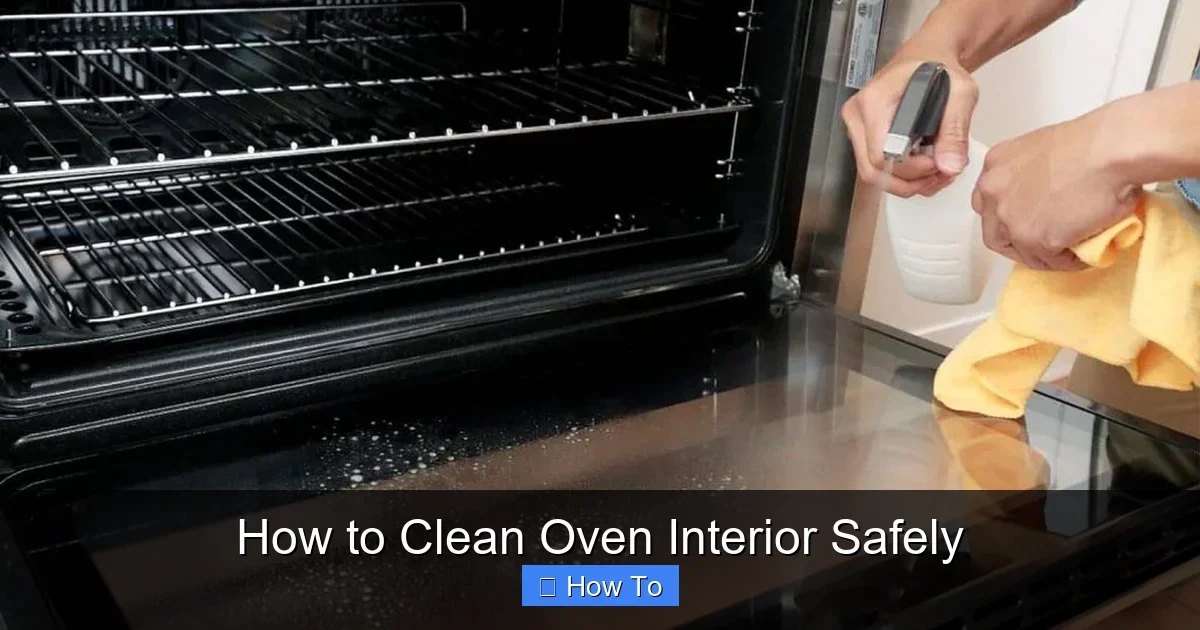
To clean your oven without harsh chemicals, make a thick paste using one cup of baking soda and three tablespoons of water. Spread this paste over all the interior surfaces, wait twelve hours, and wipe it away with a damp cloth and warm water. Spritz stubborn spots with plain white vinegar to lift the remaining residue effortlessly.
How can I clean my oven naturally without store bought sprays?
Cleaning an oven does not require strong fumes or heavy scrubbing products that make your eyes water. You can get deep cleaning results using simple items from your pantry that break down baked on food safely. This simple routine relies on natural chemical reactions to loosen burnt grease while you sleep.
Before you begin applying your natural paste, you need to prepare the space and collect your basic supplies. Having everything ready saves time and keeps your kitchen floor neat throughout the process.
- Baking soda: You will need one full cup of fresh baking soda.
- Water: Use three tablespoons of warm water to form a smooth spreadable paste.
- White vinegar: Half a cup of plain distilled vinegar in a clean spray bottle.
- Cleaning tools: Gather a silicone spatula, two microfiber cloths, and a small mixing bowl.
- Protective gear: Keep a pair of rubber household gloves ready for hands on wiping.

Preparing the oven and making the cleaning paste
Start by making sure your oven is completely cold and switched off. Remove all the internal wire racks, any baking trays, and your oven thermometer so the interior cavity is completely empty. Take a dry paper towel and sweep out any loose crumbs or burnt bits sitting on the floor of the oven.
Mix your one cup of baking soda with three tablespoons of water in a small bowl until it forms a texture like wet spackle. If the mixture feels too dry or clumpy, add a few extra drops of water until it spreads easily. Put on your rubber gloves and use your fingers or a silicone spatula to spread the paste over every inner surface, avoiding the heating elements and gas vents.
Step by step guide for deep cleaning your oven
The secret to effortless cleaning is letting time do the hard work for you. Once the paste covers the greasy spots, close the door and let it sit undisturbed for at least twelve hours or overnight. The baking soda will turn a light brown color as it absorbs the old grease and food spills.
Follow these exact steps to complete the Cleaning process after the waiting time is finished:
- Step 1: Open the door and use a damp cloth to wipe away the dried baking soda paste. Use a flexible silicone spatula to gently scrape off thick patches without scratching the enamel finish.
- Step 2: Pour your white vinegar into a spray bottle and spritz any area where baking soda residue remains. The vinegar will foam up lightly when it touches the baking soda.
- Step 3: Take a fresh wet microfiber cloth and do a second thorough wipe of the whole interior. Rinse the cloth in warm water frequently to clear away all foam.
- Step 4: Dry the entire cavity with a clean tea towel and leave the door open for thirty minutes to air out completely.
Restoring your oven racks and glass door
While the baking soda works inside the oven cavity, turn your attention to the dirty wire racks you removed earlier. Lay a thick old bath towel at the bottom of your bathtub to protect the surface from scratches, then place the racks on top. Fill the tub with hot water until the racks are fully covered, and dissolve half a cup of dish soap into the bath.
Let the wire racks soak in the soapy water for at least four hours. The hot bath loosens built up carbonized fat, making it easy to wipe clean using a non scratch sponge. Rinse the racks thoroughly with clear water, dry them completely with a towel, and slide them back into your clean oven.
Maintaining a clean oven with regular care
Keeping up with regular care prevents heavy buildup from forming again, making your monthly Housekeeping much faster. Spot clean minor spills as soon as the oven cools down after baking. A quick five minute wipe once a week keeps grease from baking into hard layers that require overnight treatments.
You can also place a reusable non stick oven liner on the bottom rack to catch falling drips from pies and roasts. Taking these small preventative steps keeps your appliance fresh, prevents cooking smoke, and ensures your food always tastes wonderful.
Comments
Post a Comment